
Canadians Advocate for Thoughtful Urban Planning and Environmental Sustainability Not Against High Density & Zoning Change

In the ongoing debate over high-density zoning changes, it’s crucial to scrutinize the government’s approach. While officials champion the benefits of increased density, the skepticism runs deep. Changing zoning regulations is not merely a checkbox on a bureaucratic to-do list; it’s a profound transformation that demands comprehensive urban planning. The question lingers: What about the essential services, the schools, parks, and healthcare facilities needed to accommodate a burgeoning population? We don’t just need a classification change but Comprehensive Urban Planning. What about the Lost Green Spaces and need for increased community infrastructure? As the government pushes for high-density living, the collateral damage often goes unnoticed—the loss of green cover and the felling of trees. The concern resonates not in opposition to change but in questioning the aftermath. Can we trust that the government will address the environmental toll and replenish what’s lost? In a world where existing infrastructure is already teetering on the edge, the onus is on the authorities to reassure the public with robust plans and budget allocations. In the ongoing discourse surrounding high-density zoning changes, the government’s role takes center stage. While officials champion the virtues of increased density, a critical voice emerges from the public—a demand …
Read More…

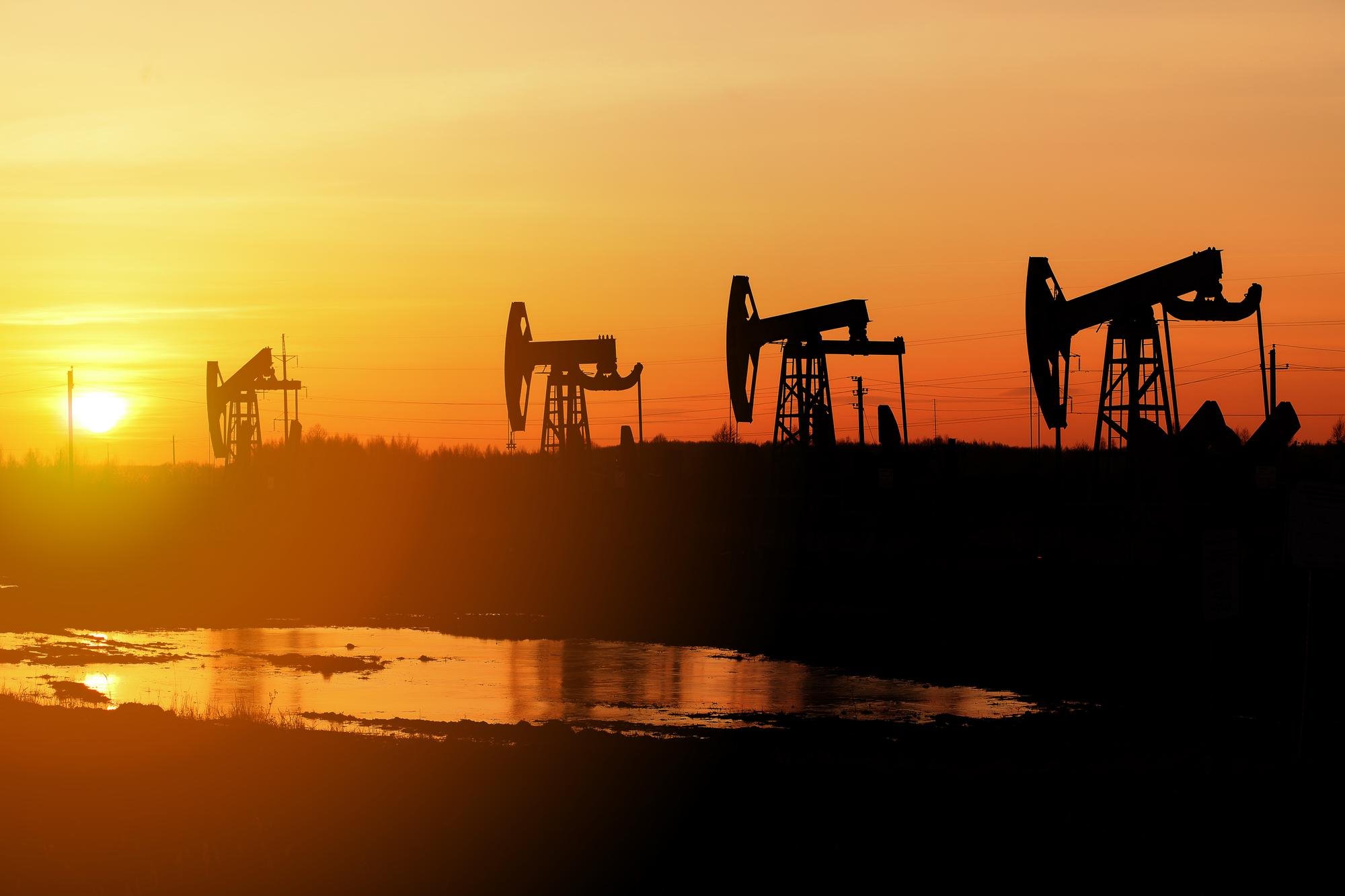
Everyday The World Burns 3 km x 3 km Lake of Crude Oil, Contributing to Environmental CO2 Overload

As per the as the International Energy Agency (IEA), the U.S. Energy Information Administration (EIA), the global consumption of crude oil was approximately 100 million barrels per day. The volume of 100 million barrels of oil can be calculated using the conversion factor that one barrel is approximately equal to 42 U.S. gallons. Therefore, 100 million barrels would be: 100,000,000 barrels×42 gallons/barrel100,000,000barrels×42gallons/barrel =4,200,000,000 gallons=4,200,000,000gallons Now, to convert gallons to cubic feet, since there are approximately 7.481 gallons in a cubic foot: 4,200,000,000 gallons÷7.481 gallons/cubic foot4,200,000,000gallons÷7.481gallons/cubic foot ≈561,192,855 cubic feet≈561,192,855cubic feet So, 100 million barrels of oil would be roughly equivalent to a volume of about 561 million cubic feet. If you want to visualize this in a lake that is 6 feet deep, you would divide the volume by the depth: 561,192,855 cubic feet÷6 feet561,192,855cubic feet÷6feet ≈93,532,142.5 square feet≈93,532,142.5square feet So, the oil would cover an area of approximately 93.5 million square feet in a lake that is 6 feet deep. The dimensions of a square box with an area of 93.5 million square feet would be approximately 9677.74 feet on each side. That is about 3km X 3km lake that is 6 feet deep. That is how much CO2 and other chemicals we inject into our environment every day. Yes you read it correct – it …

Read More…

Special Offers