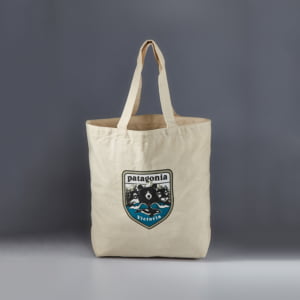
Let’s be honest. These days, everyone talks about being environmentally friendly, but how many people actually check to see if their “eco-friendly” bags are…well, kind? Yes, natural bags made of jute cloth and cotton canvas are in style. People say they’re better than plastic. But “eco-friendly” on the box? That doesn’t really matter if a lot of pesticides were used to grow the cotton or if the people who work in the jute plant are barely making ends meet.
The truth is that buyers in bulk are under a lot of stress. Not just to bring bags, but to do it in a good way. If you make one mistake, it will look like your brand doesn’t care about people or the environment. Oh no.
Now, here’s the thing: this guide isn’t just a list. This guide is for people who want to get their hands dirty (figuratively speaking) and source properly without going crazy or broke. No matter if you’re getting 10,000 units or a million bags, there are useful ways to make sure you’re following the rules.
Thoughts on Material-Specific Sourcing
The “Golden Fiber” is jute burlap, and it’s pretty cool.
If you don’t mess it up, jute, which is also called hessian, can last for a long time. Most of its plants grow in Bangladesh and West Bengal, India. Not many chemicals, not much water, and it’s ready in 4 to 6 months. As it grows, the plant actually makes the soil better. There is no better rotating crop than this one.
There are still traps, though, and this is a big but.
Important Ethical Factors for Getting Jute:
- 85% of the jute that is grown comes from the Ganges Delta. There’s a lot of work to do. Choose suppliers that really help farmers and put money into the areas where they work. If not, you’ll just be taking from countries that are weak without giving anything back.
- Process of retting: The old way of retting water can really mess up rivers. Ethical sellers either use controlled ponds or machines to do their work. Do not forget to ask about this.
- Burlap looks beautiful when it’s not been processed in any way. Watch out for chemical treatments. Durability is important sometimes, but if they’re using toxins that aren’t needed, that’s a red flag. If they’re marking paths, ask about recycling paths.
The cotton canvas is a bit messier and a lot trickier to work with.
Cotton canvas lasts a long time and works very well. What about regular cotton? The world is in a terrible mess. 24% of all insecticides used in the world come from cotton farms, even though they only use 3% of all fields. What about water? It takes about 2,700 liters to make a normal t-shirt. Yes, it’s crazy.
Important Things to Look for When Buying Cotton Canvas:
- For organic certification, only buy cotton that is GOTS-certified. Not an exception. This promises growing without chemicals and safer processing.
- Water systems: dying uses a lot of water. Run away from your source if they don’t recycle 90% of their water. No, really. Dye products must have OEKO-TEX approval.
- Energy transparency: Find out how much of the mill’s power comes from clean sources. The top mills have now hit 50–100%. If they can’t, that’s another red flag.
Certifications You Can’t Skip
Certifications are more than just pretty things. They protect you from greenwashing right away. Yes, greenwashing is all over the place.
Must-Have Certificates for Both Items:
- The Global Organic Textile Standard (GOTS) is the gold standard. It talks about fibers, processing, manufacturing, packing, and labeling. Also looks at social factors. No child labor, safe working conditions, and that’s about it.
- It’s fair trade certified if the costs are fair and the profits go to the community. It’s very important for cotton from India and jute from Bangladesh.
- OEKO-TEX Standard 100 checks all items, like cloth, thread, and handles, for harmful substances. This is a must if your bags are carrying food or things for the kids.
For places that make things:
- SA8000: It deals with worker rights, safety, and pay. A must-have for sewing rooms.
- WRAP: Makes sure that production is legal and moral based on 12 concepts.
Tips for Verification:
- Always check certifications again with the organization that issued them. Do not trust a PDF alone.
- Get proof that your order is linked to the verified fiber lot at the batch level. This is really important for tracking.
- SGS certifications for jute prove its tensile strength and moisture content, so you know you’re getting real jute.
- Include the right to be audited without notice. If you do this, honest providers won’t freak out.
Checking out suppliers – your customers rely on you for doing this
This is where things get messy. An awful lot of sourcing fails happen upstream, which can be two or three levels below the factory you’re working with.
Tier 1: Manufacturer of finished goods:
- Check the working conditions, fire safety, and how the environment is managed.
- Check the WRAP/SA8000 approvals.
- Check to see if they can meet MOQs without hiring unlicensed companies to do the work for them.
Tier 2: Working with Fabrics:
- Cotton: Check to see if the weaving and dying plants are GOTS-certified and have closed-loop water systems.
- Check out the retting facilities, water control, and methane capture for jute.
Level 3: Making fibers:
- Cotton: Go back to organic farms, preferably ones that are part of the Better Cotton Initiative.
- Jute: Ensure that farmers are paid properly and in a way that is sustainable.
Watch out for these red flags:
- Makes vague claims like “eco-friendly” but doesn’t back them up with proof.
- Only some certifications are given, like when the cloth is certified but not the production.
- Prices are way below market, so someone must have cut corners somewhere.
- Resistance to audits.
- Bags with mixes that you don’t see, like 30% jute and 70% synthetics.
Pilot projects are helpful:
- Ask for examples of raw fiber with all the necessary paperwork.
- Test a lot of 500. Check the paperwork to see if the methods match up.
- Look at the chemicals and strength. You don’t want to be surprised later.
Strategies for buying in bulk that work (MOQs and ethical sourcing)
Huge orders are what big sellers want. They can’t always be met by small, honest sellers. What to do?
- Join forces with other brands to meet MOQs when you buy in a consortium.
- Divide your list of suppliers into levels. For large orders, keep one or two large authorized suppliers, and for small orders, keep one small cooperative.
- Long-term agreements: Suppliers who are honest can invest in capacity through 2- to 3-year contracts.
How to Set Prices Without Feeling Bad
- It costs 30%-50% more to make things in an ethical way. We should not fight over pennies.
- Ask for clear models of costs. Know where to put things.
- Work together to cut down on waste or set up technology. Save money together.
- Not only margin deals can pay for green energy and worker welfare, but also volume deals.
Quality Control on a Large Scale
If you buy more than 10,000 units:
- Follow the AQL rules (2.5 major errors and 4.0 minor defects).
- Inline checks at 20%, 50%, and 80% of the way done.
- Pick units at random to check the GOTS labels.
A Plan for Implementation
Phase 1: Draw a map of the supply chain (Months 1–3)
- Keep track of your sources and subcontractors.
- Make a policy for ethical sources.
- Find the important certificates.
Phase 2: Moving from one supplier to another (Months 4–9):
- RFPs need GOTS, Fair Trade, and WRAP.
- Pilot projects with the best applicants.
- Master supply agreements that require certification, allow audits, include terms about openness, and include penalties for not following the rules.
During Phase 3 (Months 10–18), scale and monitor:
- Send 70% of the volume to sellers who are certified.
- High-risk providers are audited every three months.
- Batch-level QR codes to make things clear for customers.
- Scorecards for suppliers.
Phase 4: Continuous Improvement (Always Going On):
- Review the rules and think about getting new certifications.
- Spend money on your suppliers’ power: solar panels, training, and organic changes.
- Put out effect reports that show how much water was saved, CO2 was cut down, and wages were paid.
Technology and new ideas
- With if, you can keep track of everything: farmer GPS, payments, energy use, and labor checks. All you have to do is scan a QR code. Really cool.
- Platforms that use AI to check for risks look at news stories, NGO reports, and social media to find warning signs in your supply chain before they become problems.
The checklist looks great but what else should be done?
You now understand how hard it is to source in a decent way. Let’s turn it around for a second before we go any further:
Let’s say we only cared about three things: getting the goods we need on time and at the price we want from a supplier. Easy, right? Only three things.
You should ask yourself, “How do you feel about this supplier?” if you want to do things the right way. Feelings tell you a lot, including things that a list can’t.
People who are proud of their work have respect for themselves. At times, they might seem a bit rigid or “weird,” but when they share their thoughts or problems, they are surprisingly open. This group of people really cares about their job.
Now, ask yourself if you’re being too tough on price. Do you feel like you have to rush to meet a deadline? Do you understand where the responsibility ends? For the most part, it’s with the people at the bottom of the chain the ones who make your bags.
Take a look. There are a lot of people who want to spend the holidays with their families. Extra cash doesn’t always beat spending time with people you care about. How come you want them to give up the simple things in life? This is more than just business at Bombay Bags. Our employees are paid well, are happy than most, and live full lives. We want to help make the world a better place for everyone, not just our company.
So, what do we do when a good chance to make money comes up that could hurt the health and safety of our people? We carefully look at all of the factors. For a better future, sometimes you have to make compromises, but we question everything: Is it really worth it? Do we ask workers to work extra hours if we miss a deadline?
We always find a way to make things work without breaking the rules when we want to do the right thing. There is always a way to keep our promises and do what is right for our people, our world, and our views.
Why it’s worth the work in the end
A one-time thing, ethical source isn’t it. It’s always checking, auditing, and building relationships. The extra 15–20% cost up front pays off in terms of image, lower risk, and compliance with stricter rules (looking at you, EU CS3D).
If you do this right, you’ll get more than bags. There will be no problems with this supply line because you are building it in a responsible way.
Work with Bombay Bags to make all of these things easy. We do it for you, and all you have to do is look over the answer.