Best Reusable Grocery Bags for Grocery Store Programs
Durable, branded jute grocery bags designed for real checkout use.
The best reusable grocery bags for grocery store programs are not simply the cheapest bags a store can buy in bulk. For a grocery store, the right bag has to do several jobs at once.
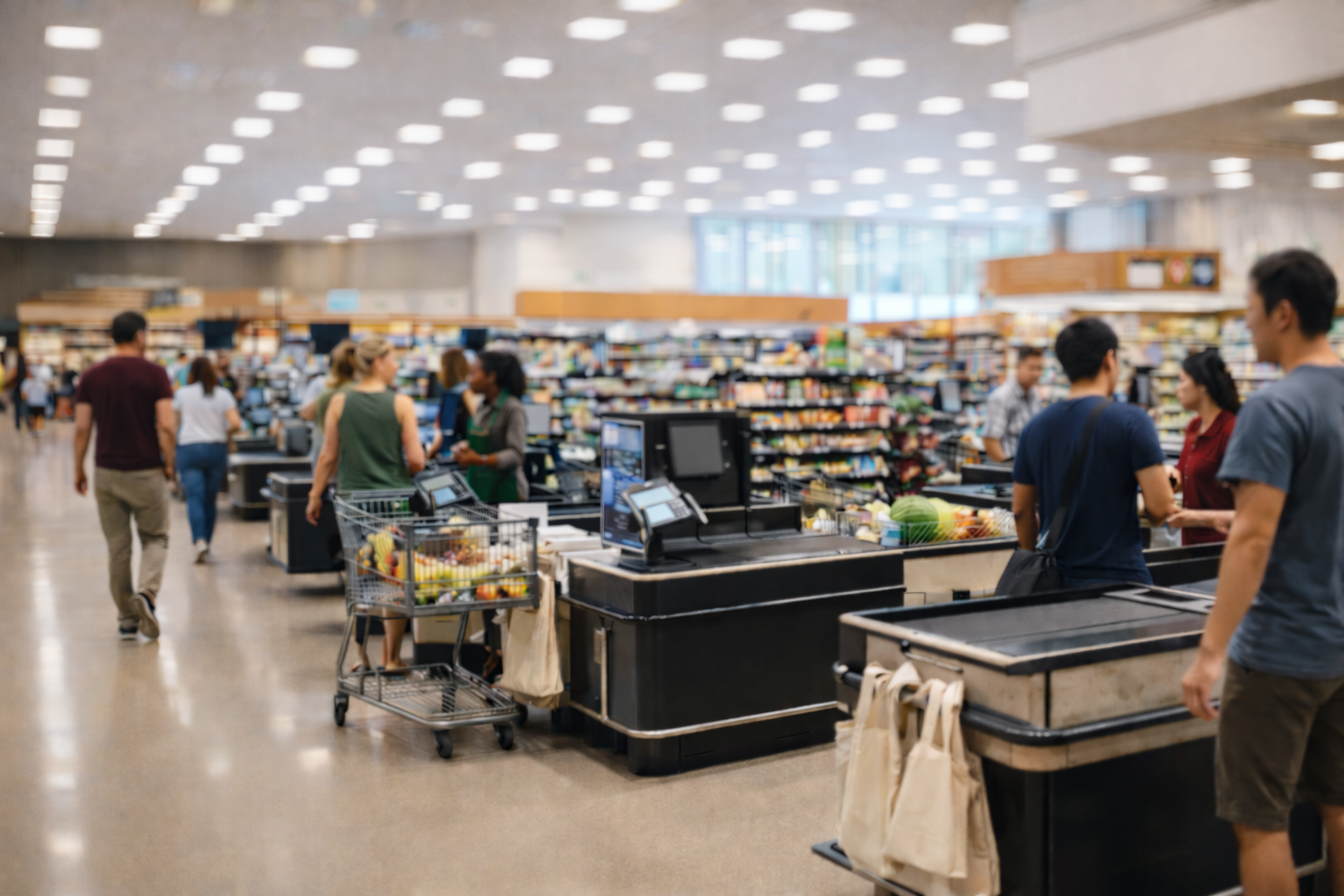
A better bag program starts with a bag customers actually adopt.
Structured jute grocery totes can improve checkout handling, carry comfort, brand visibility, and long-term customer reuse.
Durable, branded bags for real checkout use
It has to carry real groceries without feeling flimsy. It has to stand open at checkout so staff and customers can pack it easily. It has to look good enough that customers want to reuse it. And it has to keep the store’s brand visible long after the first purchase.
For many grocery stores, specialty food shops, natural markets, and premium retailers, a structured jute grocery tote is one of the strongest choices. It combines durability, natural texture, strong shelf presence, and high perceived value in a way that thin plastic-style reusable bags often do not.
Bombay Bags designs custom reusable jute grocery bags for stores that want their bag program to feel practical, premium, and worth carrying again.
The short answer: what makes a grocery bag program work?
A successful grocery bag program needs more than a reusable bag. It needs a bag customers actually adopt.
- A wide gusset so the bag stands upright
- Strong stitching for repeated grocery loads
- Comfortable handles that do not dig into the hand
- A flat base for easier packing at checkout
- A water-resistant inner lining for light spills and produce moisture
- A print area large enough for strong store branding
- A material that feels better than an ordinary throwaway bag
- A design customers are willing to keep in the car, kitchen, or entryway
The goal is not just to sell a bag. The goal is to create a bag that becomes part of the customer’s shopping habit.
Recommended reusable bag specification for grocery stores
For most grocery stores and specialty food retailers, Bombay Bags recommends a structured jute grocery tote with the following design profile.
| Feature | Recommended specification |
|---|---|
| Material | Natural jute exterior |
| Interior | Laminated or coated inner lining for added structure and light moisture resistance |
| Shape | Rectangular grocery tote with wide side and bottom gussets |
| Base | Flat bottom so the bag stands upright |
| Handles | Cotton or padded handles for comfort |
| Size | Large enough for produce, packaged goods, and everyday grocery items |
| Branding | Screen print, full-front design, or premium branded layout |
| Best use | Grocery stores, natural food stores, specialty markets, farm shops, museum stores, and premium retail programs |
A grocery bag should be built for the way people actually shop. It should be easy to pack, easy to carry, and strong enough for repeated use.
Why durability matters more in grocery than in most retail categories
Grocery bags take more abuse than many other retail bags.
Customers use them for cans, jars, produce, milk, frozen items, packaged foods, and irregularly shaped products. They are placed in shopping carts, lifted into cars, carried into homes, stored in trunks, and reused many times. A bag that looks fine on day one may fail quickly if it was not designed for grocery weight and repeated handling.
This is why grocery stores should evaluate reusable bags differently from standard promotional bags.
A weak reusable bag can quietly hurt the brand.
A durable, attractive bag does the opposite. It becomes a small moving advertisement for the store every time a customer carries it.
Explore grocery bag solutionsCase study: a grocery durability program at Vincenzo’s
Bombay Bags worked with Vincenzo’s, a specialty grocery store in Waterloo, Ontario, on a reusable grocery bag program focused on durability, customer usefulness, and brand presentation.
The store needed a bag that would feel appropriate for a premium grocery environment. It could not look disposable. It had to carry real groceries, stand up well in daily use, and represent the store in a way customers would be happy to reuse.
Bombay Bags supplied a structured jute grocery bag designed for repeated shopping trips. The bag combined a natural jute exterior, a practical grocery shape, comfortable handles, and enough structure to make packing and carrying easier.
Over the course of use, the program showed the value of choosing a bag built for grocery conditions rather than a low-cost promotional tote. Customers were able to reuse the bags for regular shopping, and the bags continued to support the store’s brand beyond the original transaction.
The lesson was simple: in grocery, durability is not a luxury feature. It is the foundation of the program.
Why jute works well for grocery store programs
Jute has a different feel from many common reusable bag materials. It has visible texture, natural character, and a more substantial presence in the hand. For stores that position themselves around quality, food, craft, sustainability, local sourcing, or premium customer experience, this matters.
A jute grocery bag can make the store’s brand feel more permanent. Instead of looking like a giveaway, it can feel like a useful product the customer is glad to own.
For stores that want the lowest possible giveaway cost, non-woven polypropylene may be enough. But for stores that want customers to reuse the bag often and associate it with quality, jute is usually a stronger fit.
Jute bags are especially strong for:
Common reusable grocery bag materials compared
The right choice depends on the store’s goal. If the goal is simply to provide a low-cost bag, a synthetic reusable bag may be enough. If the goal is to create a branded grocery bag that customers keep using, a structured jute tote is often the better long-term choice.
| Bag type | Strengths | Limitations | Best fit |
|---|---|---|---|
| Non-woven polypropylene | Low cost, lightweight, widely available | Can feel promotional or disposable, may lose shape | Budget grocery promotions |
| Woven polypropylene | Stronger than non-woven, good for large shopping bags | More synthetic look and feel | High-volume value programs |
| Cotton canvas | Soft, washable, familiar | Can be expensive and may not stand upright easily | Lifestyle retail and general shopping |
| rPET | Uses recycled plastic content, lightweight | Feel and structure vary by supplier | Sustainability-focused promotional programs |
| Insulated bags | Good for frozen and refrigerated items | More specialized, higher cost | Cold-chain grocery use |
| Jute grocery totes | Strong structure, natural look, premium feel, good branding surface | Usually higher unit cost than basic synthetic bags | Premium grocery and specialty food programs |
What grocery stores should ask before ordering reusable bags
These questions matter because a grocery bag program is not only a packaging purchase. It is a customer-experience decision.
A better grocery bag program starts with the right first order
Many stores do not need to begin with a huge order. A practical starting point is a small branded pilot that allows the store to test customer response, checkout handling, and reuse potential.
Custom branded jute grocery bags
Build around your store logo, artwork direction, preferred handle style, and retail positioning.
Trial quantities for selected programs
Start with a pilot quantity before committing to a larger ongoing grocery bag program.
Design and reorder support
Get guidance on sizing, artwork, grocery usability, seasonal programs, and future reorder planning.
Do customers actually like the bag enough to use it again?
A pilot program can help your store answer the most important question before expanding the order.
Program ideas for grocery stores
Reusable grocery bags can support checkout, loyalty, seasonal merchandising, gifting, and community programs.
Everyday checkout bag
The store sells the bag near checkout as a reusable alternative to disposable bags. This works best when the bag looks attractive and feels worth the price.
Loyalty or membership bag
The store offers the bag as part of a loyalty, membership, or customer-appreciation program. A higher-quality bag makes the offer feel more valuable.
Local food or seasonal bag
The store creates a limited-edition bag around local produce, holidays, farmers, anniversary events, or regional artwork.
Premium gift basket bag
The bag is used for gourmet food, wine, cheese, bakery, deli, or holiday gifting. In this model, the bag becomes part of the gift presentation.
Staff or community bag
The store gives branded bags to staff, partners, suppliers, or community-event participants. A durable bag keeps the brand visible outside the store.
Reusable grocery bags made to be carried, not forgotten
Bombay Bags has worked with reusable bag programs for many years and specializes in practical, premium jute bags that are made to be carried, not forgotten.
Our focus is simple: create bags that customers want to reuse.
That means paying attention to structure, handles, proportions, print quality, and the real conditions of grocery shopping. A grocery bag should not collapse when being packed. It should not feel painful when full. It should not look like a disposable giveaway. It should feel like a useful branded object that belongs in the customer’s daily routine.
A good grocery bag does not only carry products home.
It carries the store’s name into the customer’s life.
Request wholesale informationPlanning a reusable grocery bag program?
If you are planning a reusable grocery bag program for a grocery store, specialty food market, natural food store, or premium retail environment, Bombay Bags can help you choose the right size, material, handle style, and branding approach.
Start with a sample or pilot order and test the bag in real grocery conditions.
Reusable grocery bags for grocery store programs
What is the best reusable grocery bag for grocery stores?
The best reusable grocery bag for a grocery store is usually a structured bag with a wide base, strong stitching, comfortable handles, and enough durability for repeated shopping trips. For premium grocery stores and specialty food markets, jute grocery totes are often a strong choice because they combine practical strength with a natural, high-value appearance.
Are jute bags good for grocery stores?
Yes. Jute bags can work very well for grocery stores when they are designed with the right shape, handle strength, gusset width, and inner lining. A structured jute grocery tote can stand upright, carry everyday grocery items, and give the store’s brand a more premium presentation.
Are jute grocery bags better than polypropylene bags?
It depends on the goal of the program. Polypropylene bags are often lower cost and can work well for high-volume budget programs. Jute grocery bags usually feel more substantial, natural, and premium, which makes them a better fit for stores that want customers to keep and reuse the bag often.
What size should a reusable grocery bag be?
A grocery bag should be large enough to carry everyday grocery items but not so large that it becomes uncomfortable when full. A rectangular tote with a wide side and bottom gusset is often better than a flat tote because it stands upright and is easier to pack.
Why do handles matter on reusable grocery bags?
Handles are one of the most important parts of a grocery bag. When a bag is full, thin or rough handles can make the bag uncomfortable to carry. Comfortable cotton or padded handles make customers more likely to reuse the bag.
Should grocery stores start with a large order or a pilot order?
Many stores should start with a pilot order, especially if they are testing a new bag design, new price point, or new customer program. A pilot allows the store to see how customers respond before committing to a larger order.
Can reusable grocery bags help a store’s brand?
Yes. A reusable grocery bag can keep the store’s name visible long after the customer leaves the store. When the bag is attractive and durable, customers may reuse it for shopping, errands, travel, and storage, giving the brand repeated exposure.
What makes a reusable grocery bag successful?
A reusable grocery bag is successful when customers actually reuse it. That usually requires a combination of durability, comfort, useful size, attractive design, and a material that fits the store’s brand.